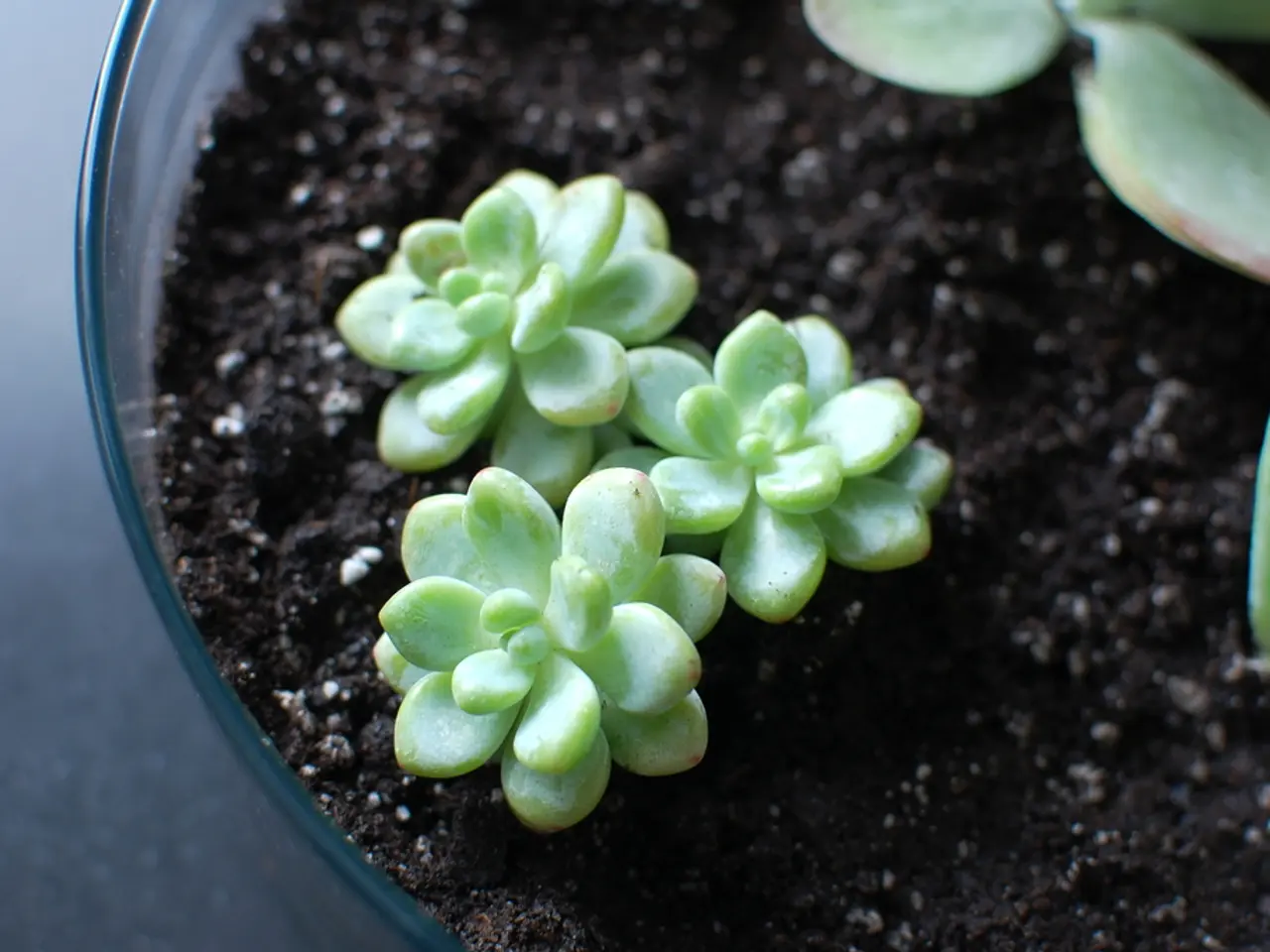
Student-Initiated Soil Analysis Laboratories in the School Garden
In the world of gardening, understanding soil health is crucial for optimal plant growth. To inspire young minds and foster a deeper appreciation for soil science, educators and parents can employ various strategies that make soil testing engaging and informative.
One effective approach is to incorporate hands-on activities into the learning process. Soil sampling and testing can be made interactive by using simple tools like pH test kits or nutrient analysis kits, allowing young gardeners to actively participate in the process. Tactile experiences, such as the hand test to evaluate soil quality, help them understand the importance of soil structure and texture.
Another strategy is to gamify the learning experience. Soil scavenger hunts, where participants find samples of different soil types or identify specific soil features, can make learning more fun and competitive. Hosting competitions where young gardeners can showcase their knowledge by solving problems related to soil health further encourages their engagement.
Integrating technology can also make soil testing more appealing to tech-savvy youth. Utilizing apps or online platforms that simulate soil testing or provide interactive tutorials on reading soil test results can enhance the learning experience. Introducing technologies like soil moisture sensors or drones equipped with cameras to monitor soil health can make the process more modern and exciting.
Real-world applications of soil testing are essential to help young gardeners understand its practical value. Encouraging them to maintain a garden bed or create a compost pile allows them to see the direct impact of soil testing on plant growth and the environment. Inviting experts to talk about the importance of soil science in agriculture and environmental conservation reinforces the significance of their learning.
Collaborative learning is another key element in engaging young gardeners. Facilitating group discussions and encouraging peer-to-peer learning fosters a sense of community among participants. Regularly asking for feedback and reflection on the activities helps reinforce their understanding and promotes critical thinking and problem-solving skills.
By incorporating these strategies, young gardeners can develop a deeper appreciation for soil science and its crucial role in gardening and environmental sustainability. They will not only learn the importance of proper soil testing but also understand the significance of promoting sustainable practices for long-term health and productivity.
The integration of technology, such as utilizing soil testing apps or drones, can make the learning process more appealing to tech-savvy youth, thereby enhancing their understanding of soil science in gardening and education-and-self-development. A collaborative learning approach with group discussions and peer-to-peer learning can foster a sense of community and help develop critical thinking and problem-solving skills in relation to lifestyle choices and environmental sustainability.