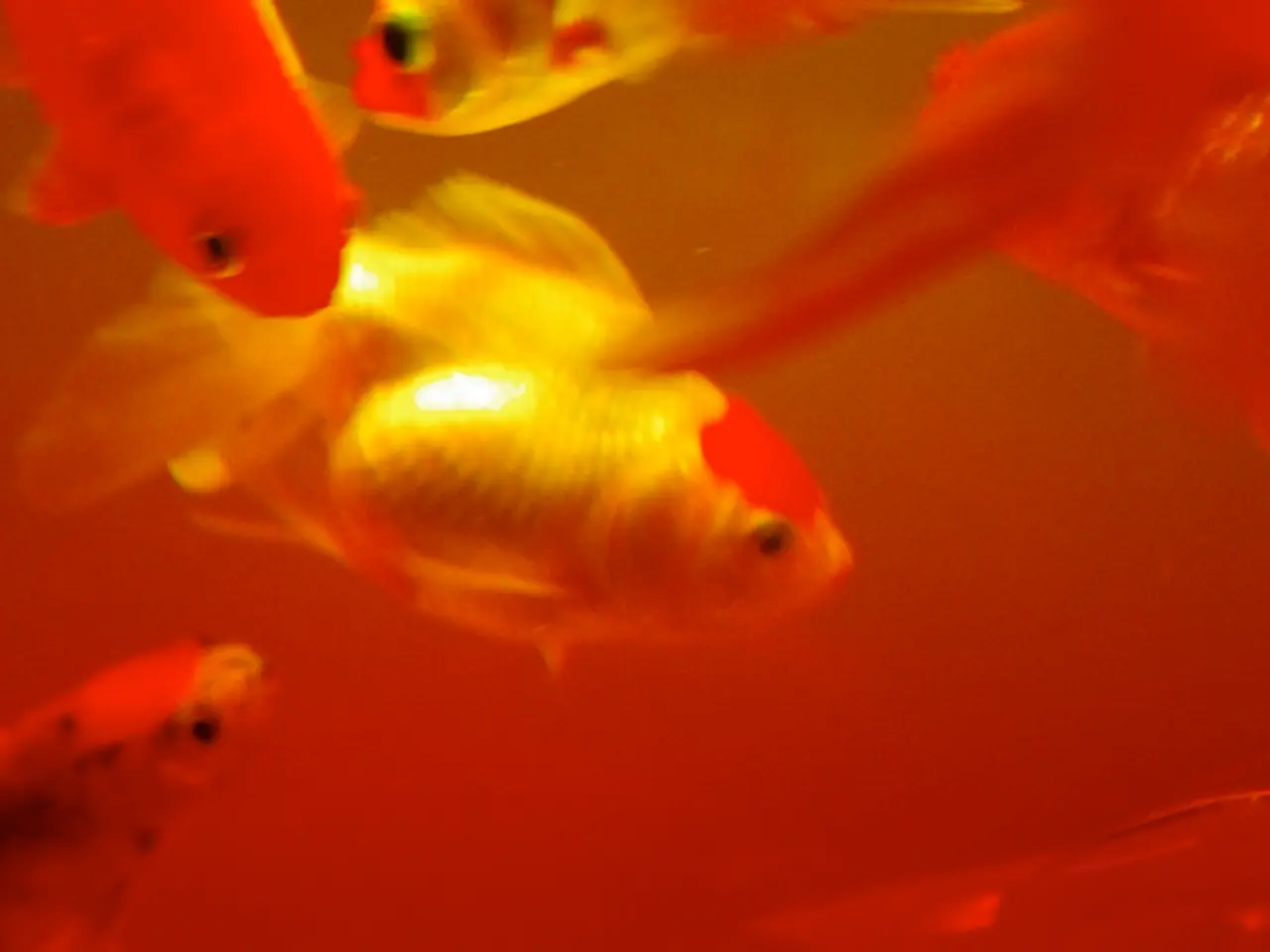
Koi Fish: Cultural Significance and Aquatic Science
The history and significance of koi fish in Japanese and Chinese culture are rich and multifaceted, touching on symbolism, spirituality, genetics, environment, and modern aquaculture.
### Historical and Cultural Significance
Koi fish have long been celebrated for their spiritual and cultural symbolism in both China and Japan. In Chinese culture, they represent good fortune, success, prosperity, longevity, courage, ambition, and perseverance—traits attributed to the koi’s remarkable ability to swim upstream against strong currents, symbolizing strength and determination. In Feng Shui, koi embody harmony and balance, often linked to the yin-yang symbol, with black and white koi representing male and female aspects, respectively. This is also associated with a happy marriage and attracting good luck.
In Japanese culture, koi are also symbols of luck, prosperity, and good fortune and are admired for their power, tenacity, and endurance. They have been kept and displayed since at least 1914 in Tokyo. The koi's perseverance swimming upstream is linked metaphorically to overcoming adversity and achieving goals.
### Symbolism
Koi fish symbolize resilience, perseverance, spiritual strength, and personal growth in both cultures due to their natural behavior of swimming upstream. They often appear in art, festivals, and home decoration to represent these ideals and bring positive energy, especially in Feng Shui practice where koi are believed to transform negative energy into beneficial energy.
### Genetic Makeup and Environmental Adaptations
Though specific genetic details of koi fish are not detailed in the search results, koi (a domesticated variety of the common carp, *Cyprinus carpio*) have been selectively bred over centuries for vibrant colors and patterns. Their natural ability to live in freshwater environments with varying conditions reflects adaptations to ponds and streams, where they can withstand different temperatures and water qualities. Their strong swimming ability is a key biological trait tied to their symbolism.
### Impact on Modern Aquaculture
While koi fish themselves are primarily ornamental, the broader field of aquaculture has evolved substantially worldwide, including fish farming techniques improving productivity and sustainability. Japan pioneered cultivation of various aquatic species starting in the 17th century. Modern aquaculture methods include enclosed net pens in lakes and coastal waters for species like salmon and trout, which reflect techniques that could be adapted for koi and ornamental fish farming.
However, environmental concerns exist around aquaculture, such as water pollution and disease, that are relevant to all fish farming, including koi breeding and maintenance in controlled environments. The ornamental fish industry benefits from advances in fish husbandry, genetics, and controlled breeding, making koi a valued part of global aquaculture markets, promoting economic growth and cultural heritage preservation.
In conclusion, koi fish hold a deep cultural and spiritual significance in both Chinese and Japanese societies, symbolizing resilience and positive virtues. Their biological traits support these symbolic meanings, and they have influenced and benefited from modern aquaculture practices, contributing to cultural heritage and the ornamental fish industry worldwide.
---
**Summary Table: Koi Fish in Japanese vs. Chinese Culture**
| Aspect | Chinese Culture | Japanese Culture | |-------------------------|----------------------------------------------------|------------------------------------------------| | Symbolism | Good fortune, success, longevity, courage, balance| Luck, prosperity, power, tenacity, endurance | | Spiritual/Cultural role | Feng Shui, yin-yang balance, marital harmony | Overcoming adversity, achieving goals | | Historical display | Traditional art, cultural festivals | Displayed in Tokyo from 1914 onward | | Environmental Adaptations | Strong upstream swimming, hardy freshwater species | Same as Chinese, bred for color and resilience | | Modern Aquaculture Impact | Used in ornamental pond culture, linked to Feng Shui | Important in ornamental breeding, economic role |
- The genetics behind koi fish are a result of selective breeding over centuries, leading to vibrant colors and patterns.
- In the realm of science and education-and-self-development, researchers are studying the genetic makeup of koi to better understand evolution.
- Climate change poses a potential threat to koi populations in their natural environments, raising concerns for biodiversity conservation efforts.
- Koi fish are not only a symbol of good fortune but also a representation of resilience and perseverance in the fitness-and-exercise and health-and-wellness lifestyle.
- Artificial intelligence is being utilized in environmental-science research to help monitor and protect koi populations, ensuring their continued survival in the wild.
- Ecosytems maintain a delicate balance which koi fish are a part of, making it essential to prioritize conservation for preserving these ecosystems.
- In the entertainment industry, koi often appear in anime, films, and even video games as symbols of strength and perseverance.
- Biotechnology plays a crucial role in artificial breeding techniques for koi, allowing for the production of diverse colors and patterns.
- Sports teams and brands have adopted koi as their emblem, paying tribute to the spiritual and cultural significance of these fish.