
Is there a better career path: Internet of Things (IoT) or Robotics?
In today's rapidly evolving technological landscape, two fields stand out for their potential and growth: Internet of Things (IoT) and Robotics. Both are integral to the ongoing digital revolution, shaping industries and creating new opportunities.
Career Prospects Comparison
While both IoT and Robotics offer strong career prospects, their opportunities differ based on industries, skill requirements, future potential, and salaries.
IoT
IoT offers broader applicability across consumer and industrial sectors. With strong ties to networking and cybersecurity, it benefits from the expansion of 5G and AI. Roles in IoT architecture, security, data analytics, and network design are abundant, especially in cloud and cybersecurity overlap.
Skill requirements for IoT careers include knowledge in IoT protocols, networking, cybersecurity, cloud computing, data analytics, programming (e.g., Python, JavaScript), and edge computing.
Industries hiring for IoT roles include smart homes, healthcare, agriculture, automotive, energy management, industrial IoT, supply chain monitoring, and smart cities and infrastructure.
The future potential of IoT is significant, with expectations of connecting over 75 billion devices by 2030. Salaries for IoT professionals vary but IoT Solutions Architects typically earn between $110,000 and $140,000 per year.
Robotics
Robotics is more specialized, focusing on mechanical, software, and AI integration to automate complex tasks in manufacturing, logistics, and other sectors. Jobs are growing rapidly in Industry 4.0 environments and typically involve designing and managing robotic systems.
Career opportunities in robotics include roles such as Robotics Engineer, Mechatronics Engineer, AI/ML Engineer (for robotics), Controls Engineer, Autonomous Systems Developer, and Research Scientist (Robotics). The average salary for a Robotics Engineer is between $95,000 and $130,000 per year, with AI/ML Engineers (Robotics) potentially earning between $120,000 and $160,000.
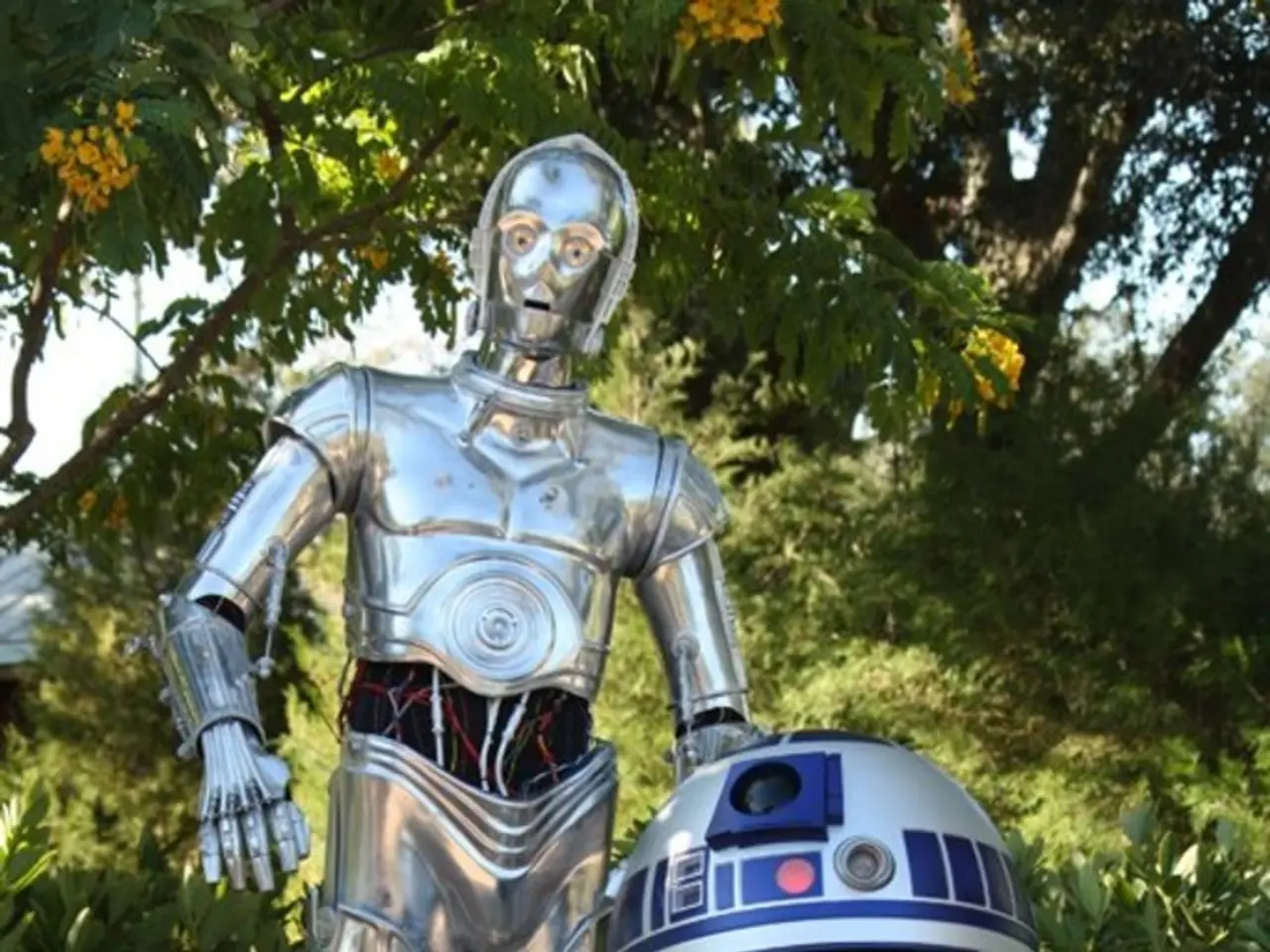
Robotics is essential in sectors like logistics, medicine, and defense. Examples of robotics applications include industrial robots in manufacturing, robotic arms in surgery, delivery robots, and humanoid robots.
Choosing Between IoT and Robotics
Both fields are projected to grow substantially through 2025 and beyond due to automation, AI, and smart system adoption. The better field depends on your interests and skills:
- If you prefer software, networking, and data-driven roles with broad applications, IoT is compelling.
- If you favor mechanical systems, automation, and AI-driven hardware solutions, Robotics may offer better alignment and potentially higher salaries.
Investing in AI and cybersecurity skills enhances prospects in both fields.
Conclusion
Both IoT and Robotics are future-forward fields with massive potential. Rapid advancements in humanoid robots and autonomous systems in robotics, and the focus on edge computing, 5G, and AI integration in IoT, promise exciting times ahead. Whether you're drawn to the intricacies of building intelligent machines or the vast possibilities of IoT, these fields offer a wealth of opportunities for those willing to adapt and innovate.
[1] IoT for All: A Comprehensive Guide to the Internet of Things. [Book]. ISBN 978-1-4842-5775-0. [2] Robotics: Modern Manufacturing in Action. [Book]. ISBN 978-0-13-468095-3. [3] The Future of Robotics: AI, Automation, and the Evolution of Work. [Book]. ISBN 978-0-525-53451-5. [4] The Internet of Things: A Survey. [Journal Article]. IEEE Transactions on Communications, 67(10), 2019.
- Pursuing education and self-development in the field of technology can lead to career paths in both IoT and Robotics, given their growing importance in the industry.
- For someone with an interest in embedded systems, the technology underneath robotic operations, exploring Robotics as a study area could provide the opportunity to work on AI-driven hardware solutions.




%20or%20Robotics%3F)