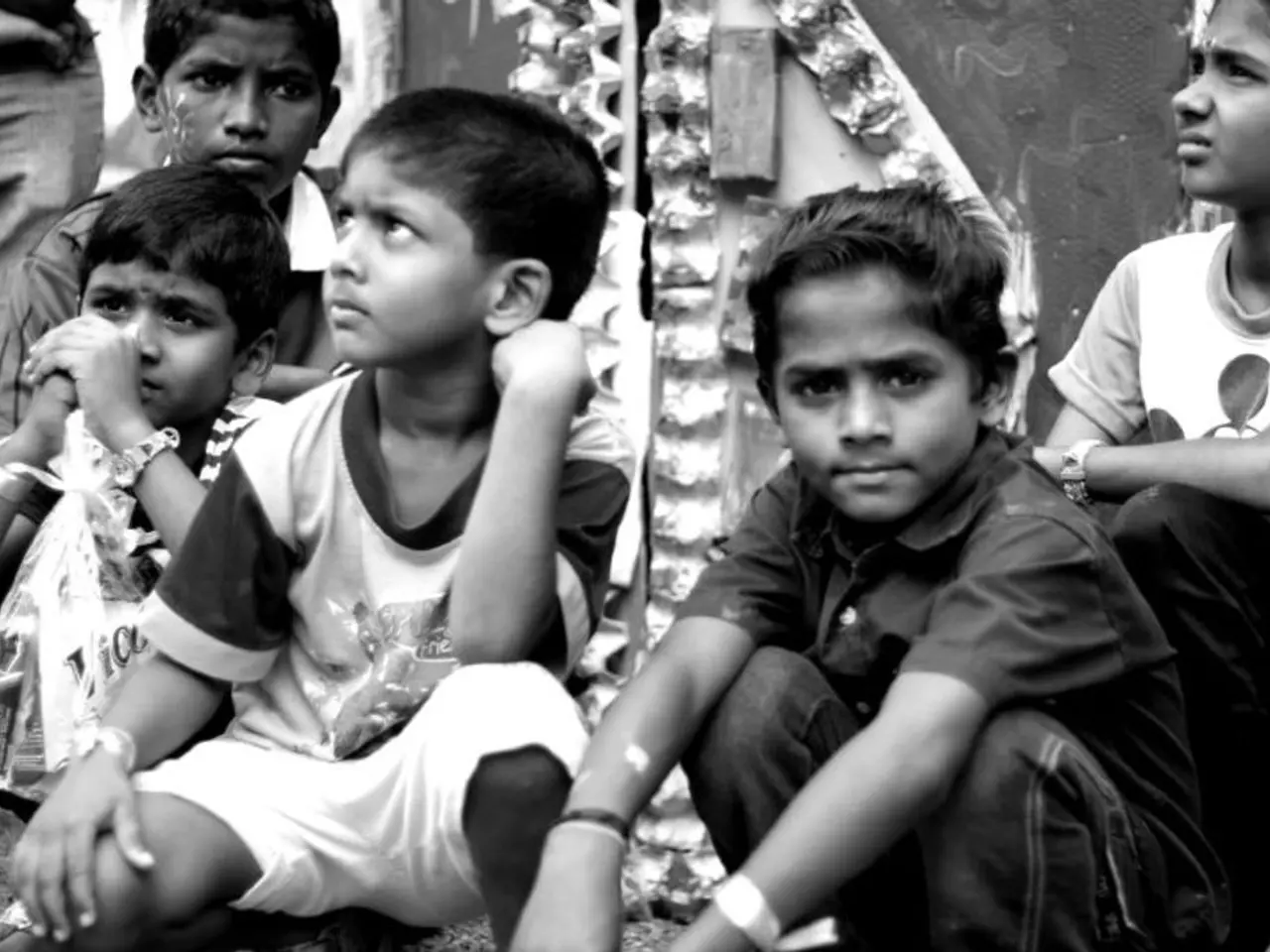
Initiative Launched for Eradicating Unlawful, Abusive Foster Homes for Minors
The UK government is taking decisive action to address the issue of vulnerable children being placed in unsafe or illegal children's homes, as well as improving the broader care system. This approach is being driven by a combination of legislative reform, enhanced regulatory oversight, and targeted investment, as outlined in initiatives such as the Children's Wellbeing and Schools Bill and the "Plan for Change" for children's social care.
**Legislative and Policy Framework**
The Children's Wellbeing and Schools Bill, introduced by Baroness Morris of Yardley, aims to promote children's mental health and wellbeing in schools and strengthen oversight and protections for children not in mainstream education. Key measures include the registration of all children not in school with local authorities, national standards to trigger social care assessments, and a focus on home education decisions being made by those with relevant experience.
**Investment and Actions to Improve Council-Run Children’s Homes**
The government's "Plan for Change" for children's social care has committed to increasing the number of high-quality, council-run children's homes. This shift away from reliance on private providers aims to reduce profiteering in the sector. Specific investments are being made to support local authorities in expanding and upgrading their own children's homes, providing stability and professional support for placements. Enhanced Ofsted inspections and stricter enforcement of standards are being implemented to ensure all providers meet rigorous safeguarding and quality criteria.
**Addressing Profiteering**
The government is signalling a shift toward more direct local authority provision to reduce cost pressures and profit motives seen in the private sector. Transparency and accountability are being emphasized, with greater transparency in how funds are allocated and how services are managed aimed at curbing exploitative practices and ensuring resources are directed toward children's needs.
**Summary**
The Children's Wellbeing and Schools Bill and the broader Plan for Change aim to ensure that children at risk receive consistent protection and access to high-quality care, while reducing exploitation and profiteering within the system. Key actions include improved safeguarding, consistent support, high-quality, stable placements, fair, effective decision-making, and child safety.
The UK government is investing over £53 million to create 200 new placements in council-run homes for vulnerable children, specifically targeting children with complex needs who are at risk of, or have been, deprived of their liberty. Improved collaboration between agencies and funding for preventative services have already shown evidence of improved family support.
New laws are being introduced to increase transparency of private providers' finances, with a potential profit cap if exploitative practices persist. Schemes are being considered to encourage charities and ethical investors to open children's homes, including through social financing.
Dame Rachel de Souza, Children's Commissioner, expressed concern about children ending up in illegal accommodations due to service failures. Private providers sometimes siphon off over 20% of placement costs for private profit. The government has committed to continuing £500 million funding annually until 2028-29, with an additional increase of at least £300 million over the next two years.
In conclusion, the UK government is committed to ensuring every child achieves and thrives by investing in children's needs, cracking down on profiteering with new laws, and rebuilding family support services. The focus is on providing safe, stable environments for children with complex needs, improving their chances for a brighter future.
- The Children's Wellbeing and Schools Bill, aimed at promoting mental health and wellbeing, also includes measures to strengthen oversight and protections for children not in mainstream education, which aligns with the broader approach of improved health-and-wellness for children.
- In terms of education-and-self-development, initiatives like the Children's Wellbeing and Schools Bill focus on fair, effective decision-making, which could be seen as a step towards enhancing political decisions that affect children.
- As the UK government invests over £53 million to create 200 new placements in council-run homes for vulnerable children, it signals a commitment to physical fitness-and-exercise, ensuring these children have access to stable, high-quality care environments, essential for their overall health and wellness.