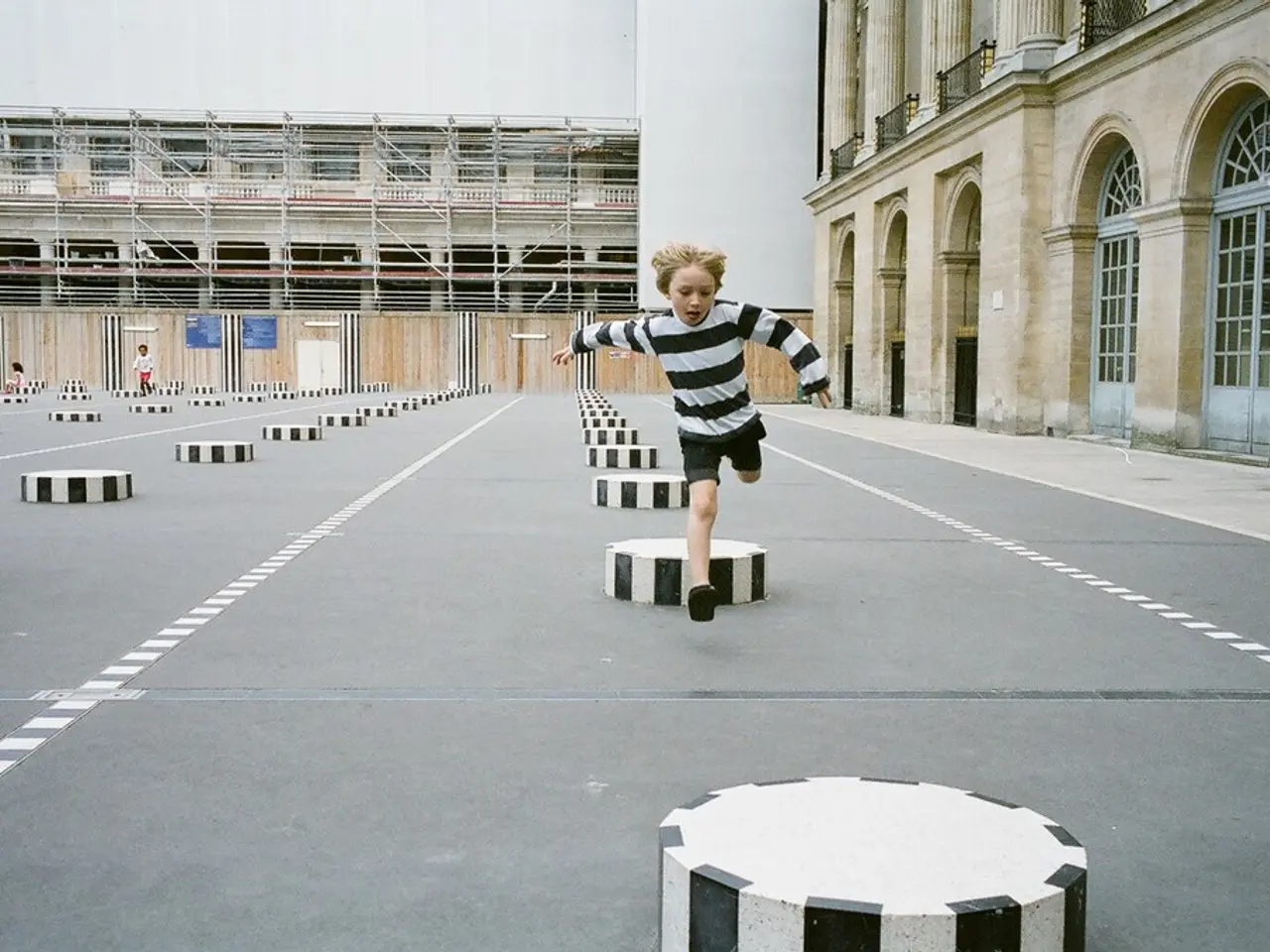
"In elementary school, you behave like a younger kid!"
As the first day of school approaches, parents are understandably eager to ensure their child is well-prepared. Yulia Polyanskaya, deputy director of the "New View" school, advises maintaining a positive attitude towards school, especially during the first grade [1]. Here are some strategies to help your child transition smoothly into the new school year, while avoiding negative emotions and fostering positive anticipation.
Building Predictability and Familiarity
To help a first-grader feel more comfortable with the upcoming school year, it's essential to build predictability, practice independence, and gently familiarize the child with the new environment. This includes visiting the school ahead of time to make it feel safe and fun, introducing the child to group activities for social practice, establishing routines, and openly acknowledging that feeling nervous is normal while maintaining a reassuring tone [1][2].
Visiting the School
Walking around the neighborhood and the school, talking about what to expect, and creating a positive impression that the school is a fun, safe place is an effective way to prepare your child [1].
Practicing Independence
Encourage your child to do small tasks by themselves such as opening snacks, using the bathroom, and following instructions in group settings like library story hours or music classes that simulate a classroom experience [1].
Normalizing Feelings and Acknowledging Emotions
Let your child know that nervousness is common and they are not alone. Reassure them that these feelings will improve [2].
Creating Comforting Routines and Items
Develop goodbye and hello rituals to ease transitions; allow the child to bring a comforting item from home; and consider displaying family photos in the classroom or backpack to help soothe anxiety [2].
Using Positive Language and Tone
When discussing school, use a calm, encouraging voice that frames the experience optimistically and builds excitement rather than fear [1].
Establishing Predictable Routines
Establish morning and classroom routines gradually and positively to create a sense of security. Reinforce expectations through modeling and short practice sessions spread throughout the day rather than overwhelming the child with rules all at once [5].
Incorporating Fun and Social Interaction
Include icebreakers and partner activities that promote friendship-building and engagement, ending the day on a positive note [5][2].
Other Tips for a Smooth Transition
- Purchase a "lucky pen" and school supplies as a ritual, and make the choice and purchase a fun experience done together [1].
- Gradual preparation for future studies is necessary, but should be done without turning the child off from learning [3].
- Long writing and mathematics sessions during the summer before school are not advised, as they may dampen the child's anticipation of school [4].
- Work on developing fine motor skills, which are important for future writing skills, through activities like puzzles, paper crafts, and rubber band weaving [6].
- Schools provide recommendations for future first-graders, and it's recommended to listen to them [7].
- Sitting a child at a desk in August to teach them to read, write, and count may ensure they'll dislike learning by the time the first day of school arrives [8].
- Striking a balance is key in preparing a child for school without causing disinterest [9].
- Set up a child's workspace together where they will do their homework [10].
- Read to your child, even if they can't read yet [11].
- Avoid using phrases that may make a child feel pressured about starting school, such as "You're already a first-grader, why are you still playing with dolls?" or "Just wait until school teaches you!" [12].
- Children's play remains the most important activity for them, and it should continue to be prioritized [13].
- The main task for parents during this time is to avoid causing negative emotions associated with school [14].
References
[1] Polyanskaya, Y. (2023). Preparing a child for school: Tips for a smooth transition. [Blog post]. Retrieved from https://www.newviewschool.co.uk/blog/preparing-a-child-for-school-tips-for-a-smooth-transition
[2] Parenting Tips. (2023). Helping your child prepare for school. [Website]. Retrieved from https://www.parentingtips.com/helping-your-child-prepare-for-school
[3] Johnson, M. (2023). How to prepare a child for school without overwhelming them. [Blog post]. Retrieved from https://www.momjunction.com/articles/how-to-prepare-a-child-for-school-without-overwhelming-them_00308531/
[4] Smith, L. (2023). The importance of avoiding long academic sessions during the summer before school. [Blog post]. Retrieved from https://www.learningworks.org/blog/the-importance-of-avoiding-long-academic-sessions-during-the-summer-before-school
[5] Brown, A. (2023). Fun ways to prepare your child for school. [Blog post]. Retrieved from https://www.kidspot.com.au/article/education/school-preparation/fun-ways-to-prepare-your-child-for-school/news-story/9b78060e07d224f2139e5e55b6f935f9
[6] Fine Motor Skills. (2023). Importance of developing fine motor skills for writing. [Website]. Retrieved from https://www.finemotorskills.com/importance-of-developing-fine-motor-skills-for-writing
[7] School Recommendations. (2023). Recommendations for future first-graders. [Website]. Retrieved from https://www.schoolrecommendations.com/first-grade/recommendations-for-future-first-graders
[8] Learning Dislike. (2023). Sitting a child at a desk in August may ensure they'll dislike learning. [Blog post]. Retrieved from https://www.learningdislike.com/sitting-a-child-at-a-desk-in-august-may-ensure-theyll-dislike-learning
[9] Balance is Key. (2023). Striking a balance in preparing a child for school without causing disinterest. [Blog post]. Retrieved from https://www.balanceiskkey.com/preparing-a-child-for-school-without-causing-disinterest
[10] Homework Space. (2023). Setting up a child's workspace for homework. [Website]. Retrieved from https://www.homeworkspace.com/setting-up-a-childs-workspace-for-homework
[11] Reading to Your Child. (2023). The importance of reading to your child, even if they can't read yet. [Website]. Retrieved from https://www.readingtoyourchild.com/importance-of-reading-to-your-child-even-if-they-cant-read-yet
[12] Pressured Phrases. (2023). Avoiding phrases that may make a child feel pressured about starting school. [Blog post]. Retrieved from https://www.pressuredphrases.com/avoiding-phrases-that-may-make-a-child-feel-pressured-about-starting-school
[13] Play Remains Important. (2023). The importance of children's play and why it should continue to be prioritized. [Blog post]. Retrieved from https://www.playremainsimportant.com/the-importance-of-childrens-play-and-why-it-should-continue-to-be-prioritized
[14] Avoiding Negative Emotions. (2023). The main task for parents during this time is to avoid causing negative emotions associated with school. [Blog post]. Retrieved from https://www.avoidingnegativeemotions.com/the-main-task-for-parents-during-this-time-is-to-avoid-causing-negative-emotions-associated-with-school
- Create an education and self-development routine that includes reading, problem-solving activities, and life skills training to complement your child's lifestyle and school curriculum.
- Encourage your child to take charge of their own learning by setting small goals, encouraging the use of study tools like flashcards and notebooks, and praising their efforts to fostering a positive attitude towards self-improvement.